
In recent years, energy costs have become one of the main risk factors for industrial companies.
Unstable prices, consumption peaks and increasing regulatory pressure are pushing more and more businesses to look for solutions to control and optimize energy.
Among these, BESS (Battery Energy Storage System) solutions represent one of the most effective technologies.
But one question remains central: does a BESS really make sense for a company?
At the same time, growing demand is also creating new opportunities for integrators, installers and resellers, who can expand their offering with custom-designed industrial energy storage systems.
What is a BESS system
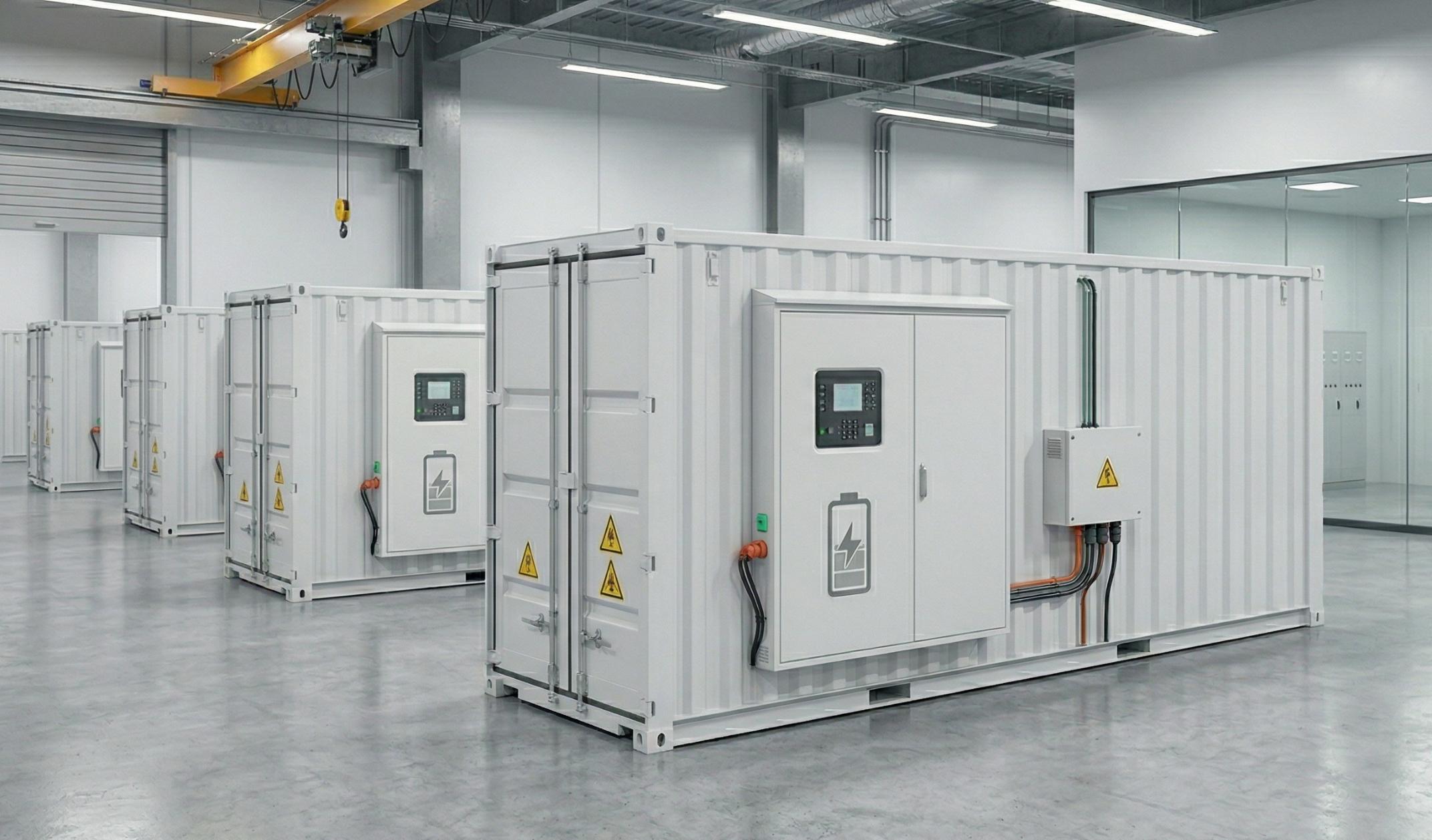
A BESS (Battery Energy Storage System) is a system that allows electrical energy to be stored and used at a later time.
It is not just about batteries, but an integrated system composed of:
- lithium batteries
- power conversion systems (PCS)
- energy management system (EMS)
- monitoring and control software
The real value is not in the battery itself, but in intelligent energy management.
Why companies are investing in BESS
Companies do not install a BESS just to “have a battery”. They do it to solve real problems such as:
- Unpredictable energy costs: energy prices can vary significantly throughout the day
- Power peaks: consumption peaks generate high costs on energy bills
- Operational continuity: a power interruption can stop production
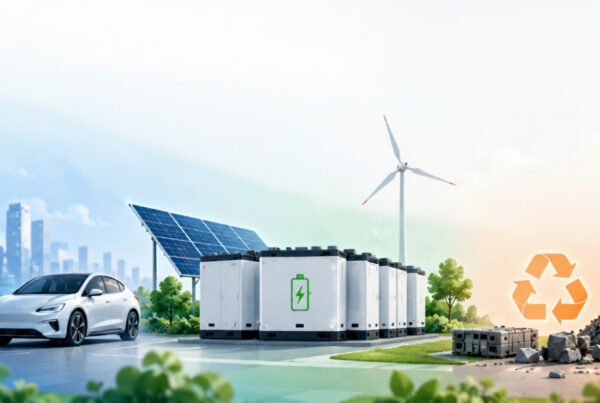
- Renewable integration: energy production does not always match consumption
A BESS makes it possible to turn energy from an uncontrollable cost into a strategic asset.
How a BESS system works
A BESS follows a simple logic: it stores energy when it is cheaper or available and releases it when needed or when costs are higher.
Main operating modes include peak shaving, which reduces consumption peaks and related penalties, energy shifting, which allows energy to be used at the most convenient times, backup power, essential to ensure operational continuity during blackouts, and renewable integration, which maximizes self-consumption of generated energy.
The real value: monitoring and control
A BESS without data is just a battery. The real value is achieved when the system is equipped with:
- real-time monitoring
- data analysis
- advanced sensors
- remote control
This enables fault prevention, optimization of charge/discharge cycles, improved overall efficiency and longer battery lifetime.
The BESS market: accelerating growth
The energy storage market is experiencing unprecedented expansion. Global BESS growth is driven by the spread of renewable energy, electrification of industrial processes, development of smart grids, grid stabilization needs and the increasing demand for energy independence from companies.
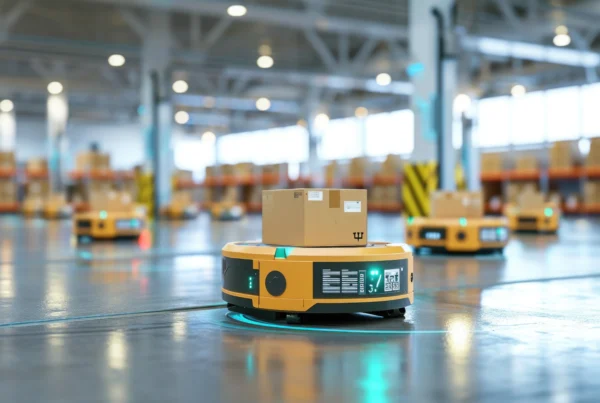
In Italy, demand is growing across multiple sectors. Energy-intensive manufacturing companies are looking for solutions to reduce consumption peaks and energy costs, while industrial photovoltaic plants require storage systems to maximize self-consumption. Temporary infrastructures and construction sites need flexible and reliable systems, while utilities and grid operators invest in energy stabilization solutions. The logistics and intralogistics sectors are also accelerating BESS adoption to ensure operational continuity and load optimization.
In all these contexts, lithium batteries represent the technological core of the BESS. Choosing the right manufacturer therefore becomes a strategic decision that determines reliability, safety and performance of the entire system.
Want to learn more?
How much does an industrial BESS cost and when does it make sense
The cost of a BESS varies depending on several design factors, including capacity (kWh), power (kW), required integration level and application complexity. For industrial systems, investment may range from tens to hundreds of thousands of euros. However, the key factor to evaluate is not the initial cost, but the savings generated over time and the improvement in overall energy efficiency.
A BESS becomes particularly convenient in the presence of:
- high consumption peaks
- energy usage during expensive time slots
- energy-intensive operations
- integration with renewable sources
In these scenarios, economic benefits come from reduced energy costs, lower demand charges, improved operational efficiency and optimized self-consumption. In many cases, these advantages allow return on investment within a few years, turning a BESS into a strategic lever for energy cost control.
When a BESS may not be convenient
A BESS is not always the right choice and may not be suitable if:
- consumption is very stable
- there are no power peaks
- energy costs are already optimized
- operational continuity is not required
For these reasons, a preliminary analysis is essential.
Standard BESS vs custom solutions
Many companies start with standard BESS systems because they represent a faster and initially more cost-effective solution. However, in complex industrial applications this approach can become limiting, especially when integration with existing infrastructure, variable energy profiles or performance optimization is required.
Standard systems generally offer lower costs and faster implementation, but they are less flexible and difficult to adapt to specific needs. Conversely, custom solutions are designed around the real application, enabling higher efficiency, better integration with existing systems and more precise control of energy logic.
The choice between standard BESS and custom solutions therefore depends on system complexity and company energy goals.
Real applications of BESS systems
BESS solutions are used across several sectors, including:
- manufacturing industry
- logistics and intralogistics
- energy plants
- critical infrastructure
In all these sectors, the goal is the same: control energy, reduce costs and ensure operational continuity.
Is a BESS a strategic choice?
A BESS is not just a technology, but a true strategic lever for companies aiming to improve energy management. It enables cost reduction, improved operational efficiency, increased energy resilience, optimized self-consumption and internal grid stabilization, transforming energy from a variable expense into a controllable resource.
To achieve concrete results, the system must be properly designed and integrated. In particular, it requires:
- correct system design
- integration with existing infrastructure
- continuous monitoring
- reliable lithium batteries
Want to understand if a BESS is right for your company?
We analyze your specific case and evaluate:
- potential savings
- optimal configuration
- return time
Request a technical consultation with our team